вторник, 4 декабря 2018 г.

St. Paul's Cathedral

 (700x525, 165Kb)

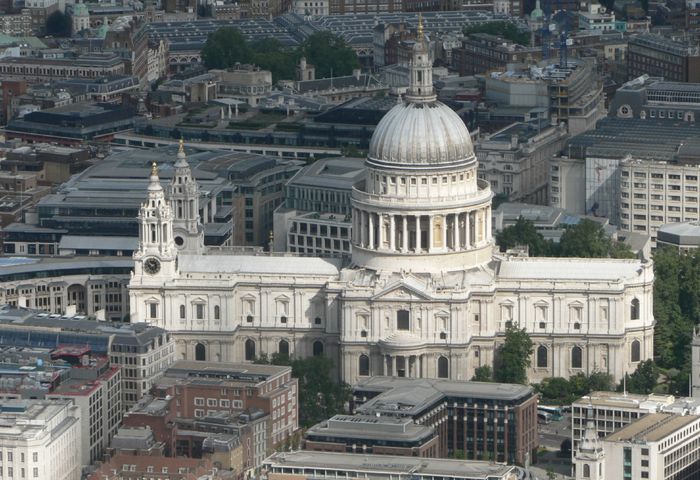
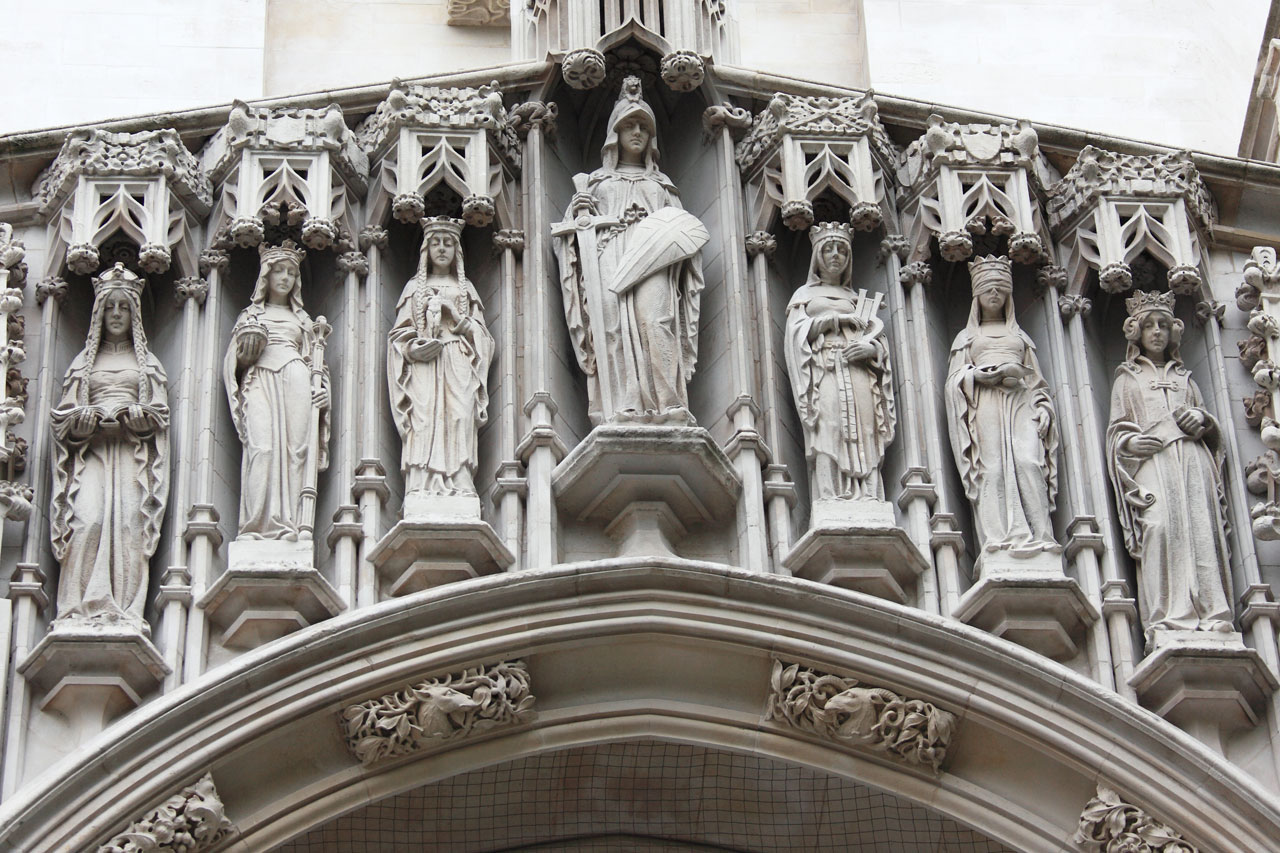
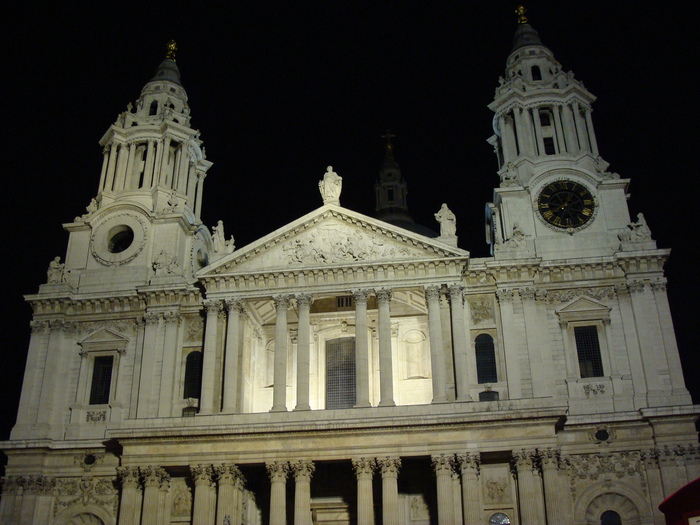
The majestic St. Paul's Cathedral was built by Christopher Wren between 1675 and 1711. It is one of Europe's largest cathedrals and its dome is only exceeded in size by that of the St. Peter's Basilica in Rome.

 (525x700, 226Kb)
St. Paul's Cathedral has had an eventful history. Five different churches were built at this site. The first church, dedicated to the apostle Paul, dates back to 604 AD, when King Ethelbert of Kent built a wooden church on the summit of one of London's hills for Mellitus, Bishop of the East Saxons. Being made of wood it didn't stand a chance and was eventually burnt down.


 (700x480, 83Kb)

It was rebuilt in stone but that didn't work either as it was destroyed in a Viking invasion. When the Saxons used wood again on the third church, it was doomed to be destroyed by fire in 1087 again!

 (525x700, 161Kb)
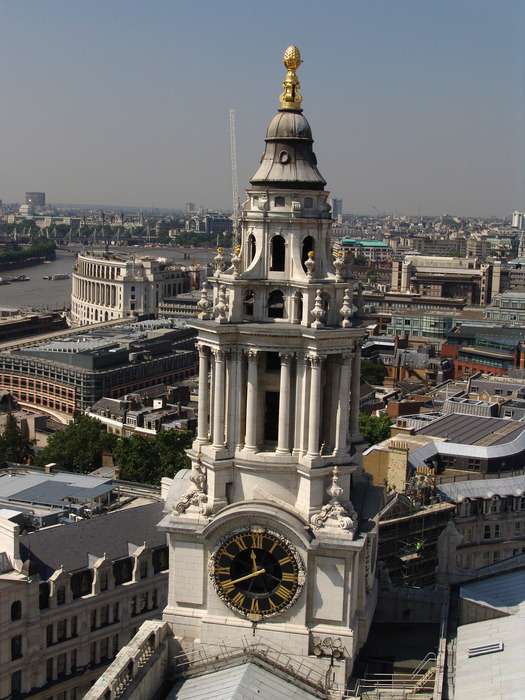
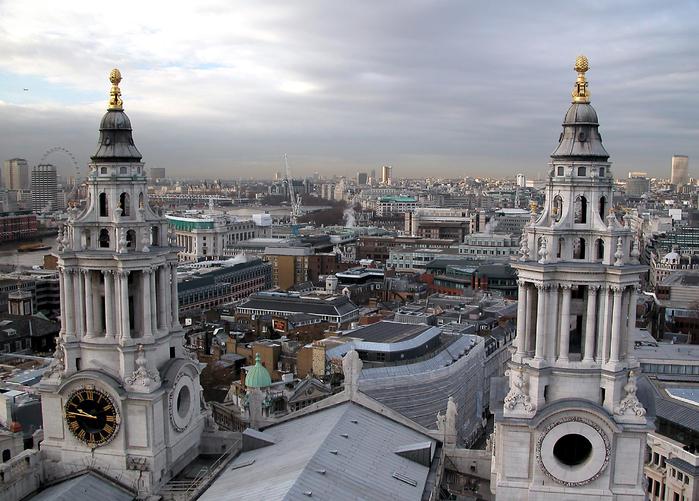
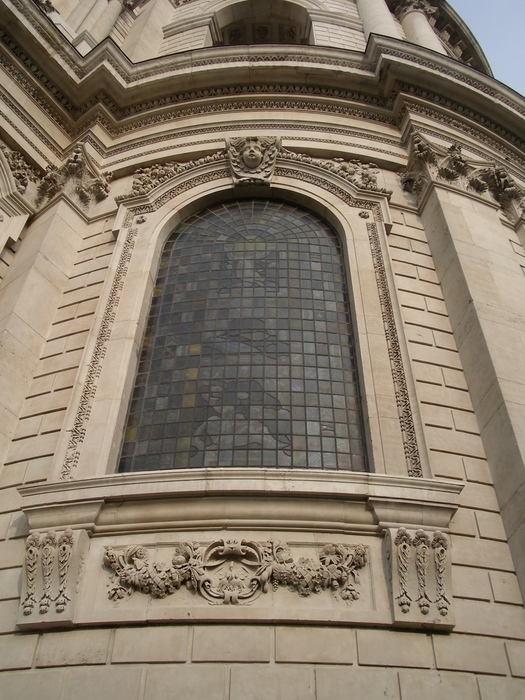
The clock tower on the West Side houses the bell known as Great Paul. At three metres in diameter, it is the heaviest swinging bell in the country. Of course there is the famous dome and the cross on top is 365 feet from the ground. It is the second largest cathedral dome in the world. Only St Paul's in Rome is bigger.
During the Second World War, the Cathedral of St. Paul became a great symbol of the British faith. After each bombardment, the cathedral still towered over the city, it received only slight damage to the northern transept and the chapel behind the main chancel, which were soon restored, and a new altar was built in memory of the victims.


4 (640x360, 124Kb)
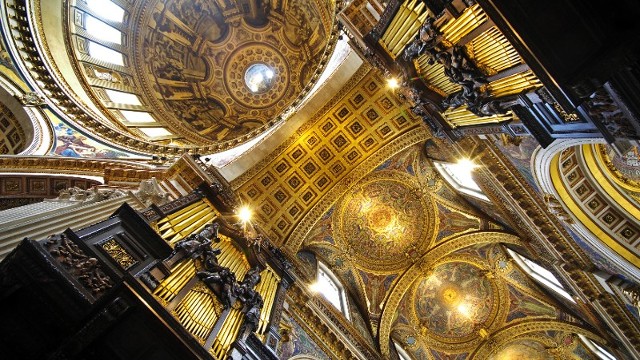
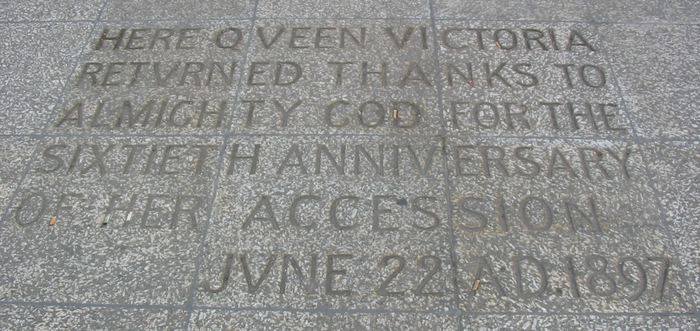
The most important state ceremonies were held in St. Paul’s Cathedral in London: thanksgiving for the end of the Napoleon’s wars, the funeral of the Duke Wellington, the wedding of Prince Charles and Diana, the anniversary prayers of thanks for the life of the Queen Mother.


 (700x525, 173Kb)

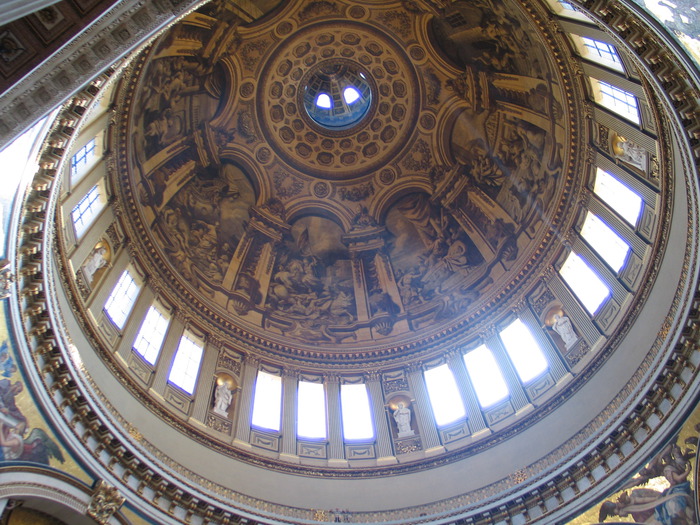
The Whisper Gallery is probably the most famous landmark of St. Paul’s Cathedral. After going up 259 steps to the gallery in the lower part of the dome, you can make sure of the special acoustics of the walls, reflecting even a whisper, due to which the words are clearly heard in the other side of the gallery. Even higher - 560 steps – is the Golden Gallery at a height of 85 meters, showing a panoramic view of London.


 (699x501, 71Kb)Usually, visitors are advised to climb the Whispering gallery in order to try the acoustic phenomenon that gave the name of the gallery. From there they pass into the external gallery called the Stone Gallery, which overlooks the whole London. The most courageous can continue to climb to the Golden Gallery and, finally, enter the Golden Ball, on which a gilded cross rises. St. Paul's Cathedral is the tomb of nearly two hundred of the most famous British citizens. This tradition originates from the previous cathedrals - in the first and second cathedrals Anglo-Saxon kings were buried. Christopher Wren was the first to have an honor to be buried in the St. Paul’s Cathedral. There is no monument on his grave, and there is given only an epitaph in Latin: Lector, si monumentum requiris, circumspice (“Reader, if you are looking for a monument - just look around”).

 (700x331, 217Kb)


среда, 28 ноября 2018 г.

The Tower of London

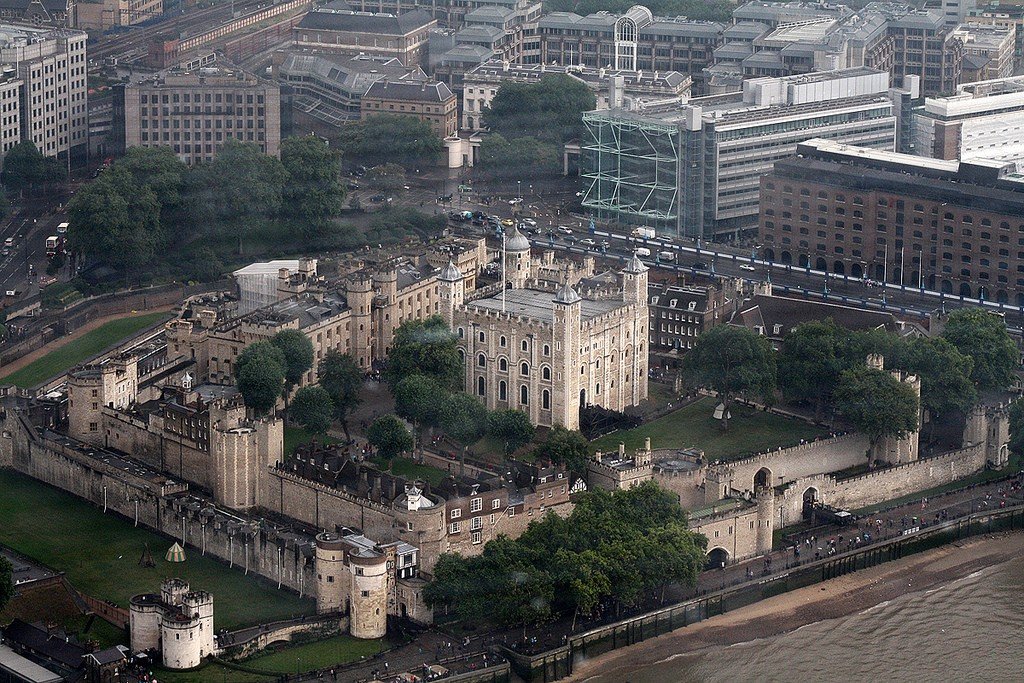
The Tower of London has become a symbol not only of London, but of the whole of Great Britain. It occupies a special place in British history, so now the Tower is one of the most visited architectural and historical sights of the world.
In essence, the Tower is a fortress. It stands on the north bank of the Thames, is one of England’s oldest buildings and the historical center of London. The history of this fortress is variegated: it was originally built as a defensive castle, and then it served as a zoo, and a mint, and an arsenal, and a prison, and an observatory, and a repository of royal treasures.

Tower History

The Tower was built in 1078, and in 1190 the first prisoner was imprisoned in a fortress. In this prison for high-ranking people and monarchs, only 7 executions were carried out, among the victims of Henry VIII's wife, Anne Boleyn and Catherine Howard, as well as "Queen of Nine Days" Jane Gray. From the first years of its existence, the Tower began to overgrow with all sorts of rumors and legends, sometimes very sinister. Some of them can be heard during excursions to this famous fortress.
Today, the Tower of London looks almost the same as in the 11th century. Its main purpose is a museum with a rich collection and an armory; the treasures of the British crown are kept there. Officially, the fortress continues to be considered one of the royal residences. There are several private apartments where the staff and sometimes distinguished guests live. The Tower offers guided tours, where guides are beefeaters - the English guards. They are dressed in dark blue uniforms of the Victorian era, and on holiday dates - in luxurious Tudor costumes, which causes additional interest in the fortress among tourists.


This castle construction was completed in 1100. Although the King and Queen often stay in this castle, but the castle’s main function is as a stronghold and refuge. The main residence ofthe King and Queen are the Palace of Westminster that more luxurious. In the reign of Richard the Lionheart, the castle is undergoing a lot of expansion to further strengthen its defenses, including building a moat 7.5 meters with a depth of 3.4 meters outside the castle. Because at this time, King Richard more to flee the country to participate in the Crusades, the castle, he handed over to the chancellor, William Longchamp. Tower of London is located in the London Borough of Tower Hamlets. 

Events in the Tower

Tower Of London PoppiesIn addition to the traditional inspection of exhibits and interiors, you can also have fun in the Tower: for example, from December 27 to December 31, New Year is celebrated in medieval costumes here. Tourists are met by King Richard III, knights and minstrels. Even if you can not skate, do not miss the opportunity to have fun at the Tower rink. People come here in the morning, as a fitness at the beginning of the day, and in the evening, when they want romance: the fortress is highlighted with lights that are reflected in the ice.

Power pets


In 1235, Henry III (1216-72) was delighted to be presented with three 'leopards' (probably lions but referred to as leopards in the heraldry on the king's shield) by the Holy Roman Emperor Frederick II. These inspired the King to start a zoo at the Tower. Over time the collection of animals grew: the lions were joined by a polar bear in 1252 and an African elephant in 1255. Edward I (1239-1307) created a permanent new home for the Menagerie at the western entrance to the Tower, in what became known as the Lion Tower. The terrifying sounds and smells of the animals must have both impressed and intimidated visitors. By 1622, the collection had been extended to include three eagles, two pumas, a tiger and a jackal, as well as more lions and leopards, which were the main attractions. In 1826 the Constable of the Tower, the Duke of Wellington, dispatched 150 of the beasts to a new home in Regent’s Park.

Ravens of the Tower of London

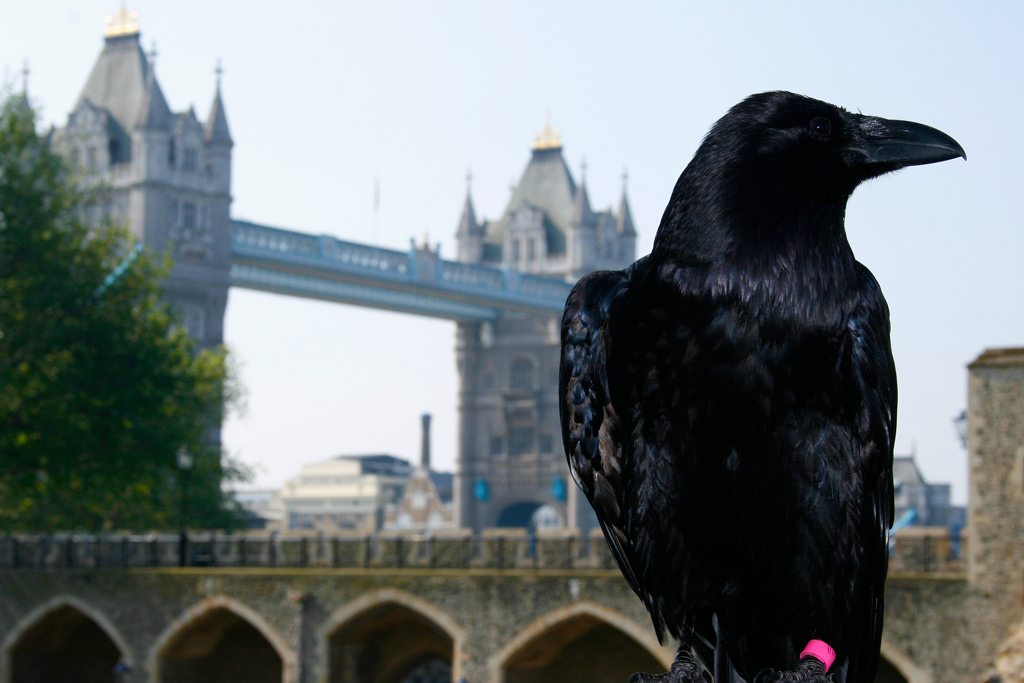
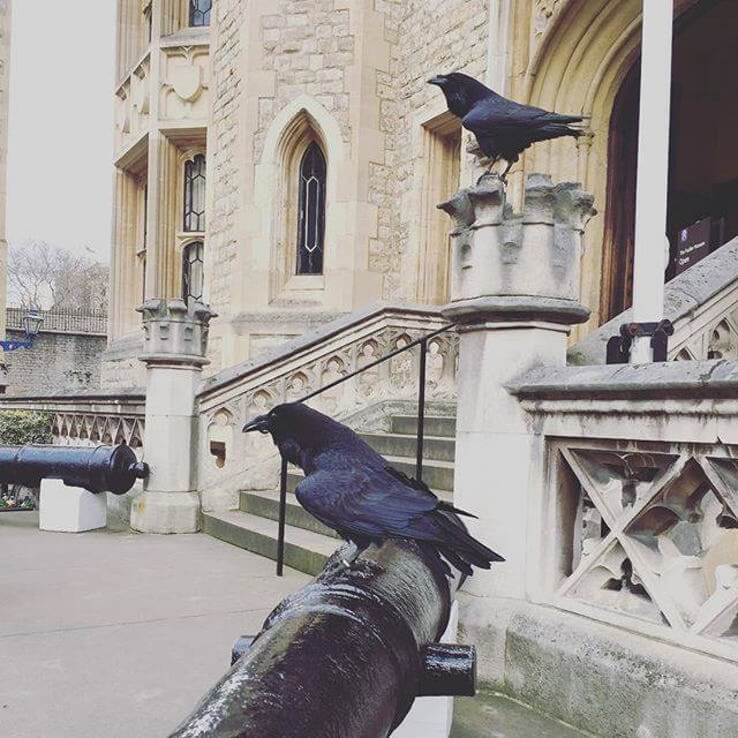
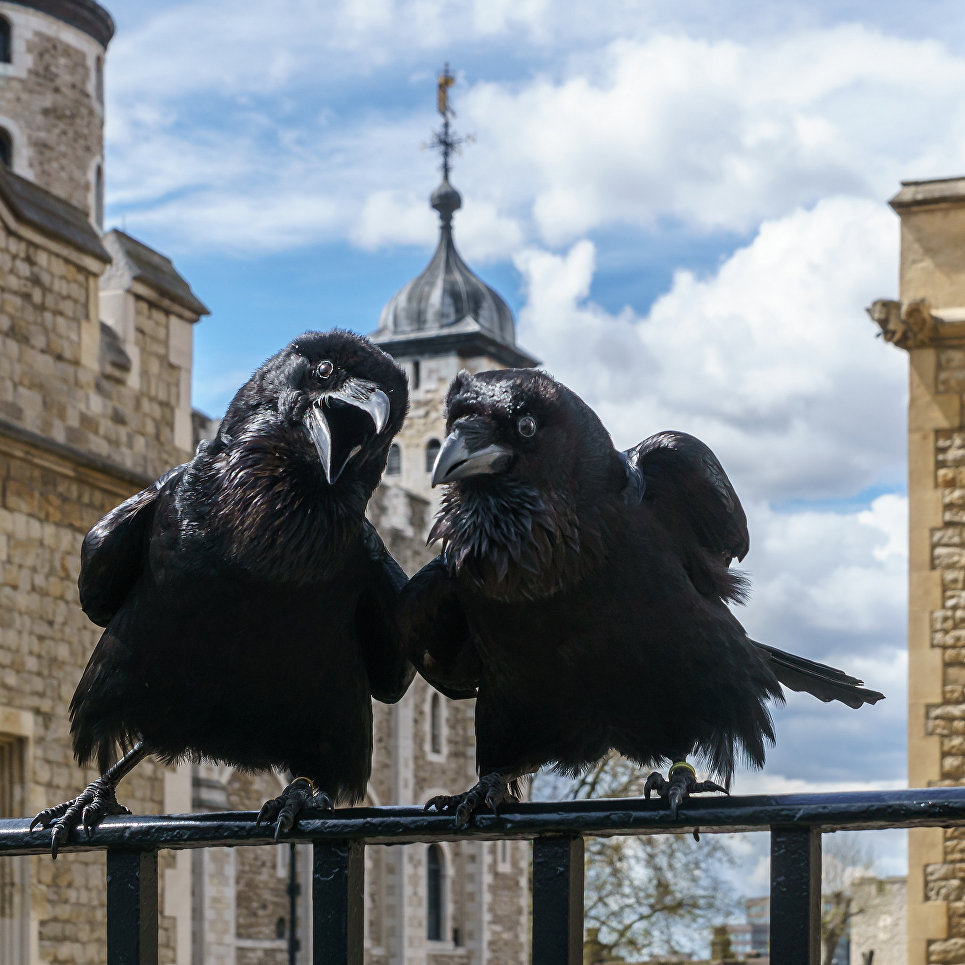
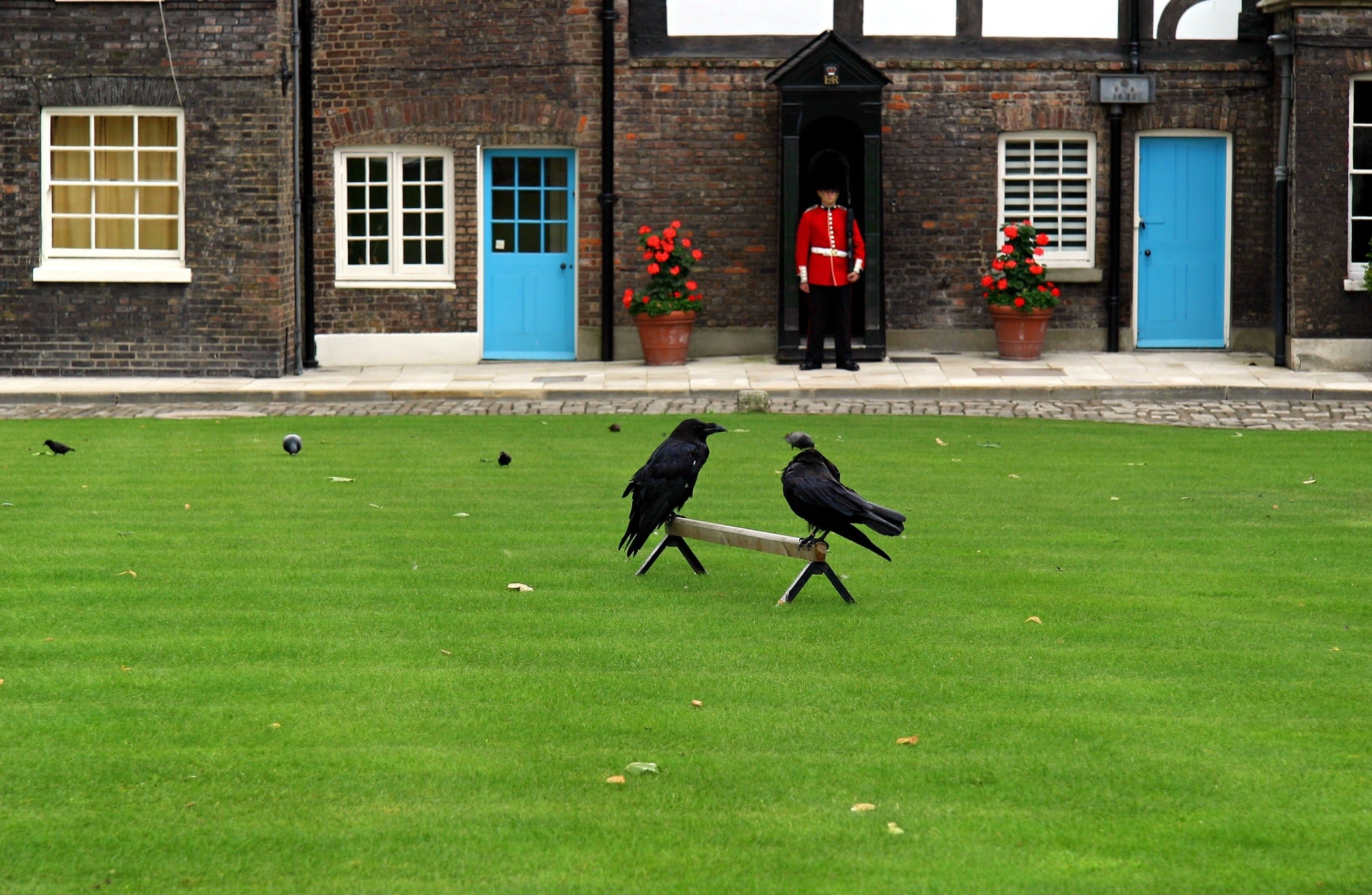
The Ravens of the Tower of London is a black raven population that traditionally lives in the Royal Tower of London and has a symbolic meaning for Britain. Their small population is on state support, and they are being cared for by a specially authorized member of the ceremonial youmen guardian of the Tower, Ravenmaster.

It is believed that Charles II ordered to keep at least six crows in the Tower, although the number of birds varied. So, as a result of the Nazi bombing of London and the wartime fodder, the population was reduced to one bird, and Prime Minister Winston Churchill ordered it to be filled.
The names of the current Ravens:
  • Marley
  • Erin
  • Merlin
  • Baldrick
  • Munin
  • Thor
  • Branwen (female, now breeds according to the population conservation program)
  • Hugine
  • Gwyllum


These ravens are named after the Scandinavian and Celtic gods and mythological characters. The ravens are individually recognized by the ribbons of a particular color attached to the paw. It is believed that if the ravens fly away from the Tower, the Tower and the British Empire will fall. Therefore, according to the old custom, their flight feathers on the wings are periodically cut, this is a painless procedure. The oldest raven in the history  is Jim Crow, who lived to old age - 44 years.
The poultry diet consists of 6 ounces of raw meat and of dry bird food dipped in blood per day. Once a week they are fed with eggs and sometimes with a rabbit with unwrapped skin, which is good for their health. Raven Thor is a great imitator of sounds. He is able to accurately reproduce intonational words of the caretaker.

вторник, 27 ноября 2018 г.


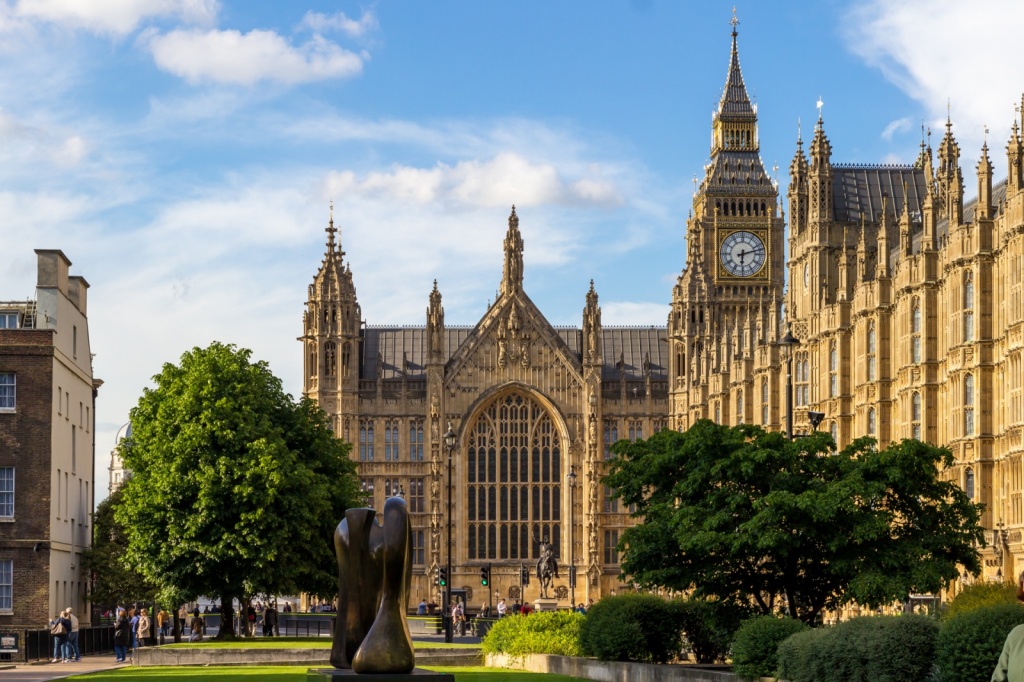
The Palace of Westminster is the meeting place of the House of Commons and the House of Lords, the two houses of the Parliament of the United Kingdom. Commonly known as the Houses of Parliament after its occupants, the Palace lies on the north bank of the River Thames in the City of Westminster, in central London, England.
Initially, until 1529, it served as the capital residence of the English kings. After the fire on October 16, 1834, the Palace was rebuilt according to the neo-Gothic project of Charles Barry OI U. N. Pugina. From the medieval Palace of Westminster left the reception hall (1097), the seat of the courts of Westminster, and the Tower of jewels (built to hold the Treasury of Edward III). At the beginning of the reign of Henry VIII, and in 1512, in the Royal part of the Palace there was a fire. In 1534, Henry VIII Acquired cardinal Thomas Wolsidvorets, renamed it Whitehall and made it his main residence. Since that time, the Palace of Westminster became the Parliament building. An Important ceremony took place the Painted chamber, in the House of lords was going to Queen's House (Queen's house), then, with the increase in the number of peers in the XVIII century, in the larger White chamber (White chamber). Since 1547 the house of Commons has gathered in the chapel of St. Stephen. In the XVIII and XIX centuries the Palace was updated several times, in 1799-1801 years under.


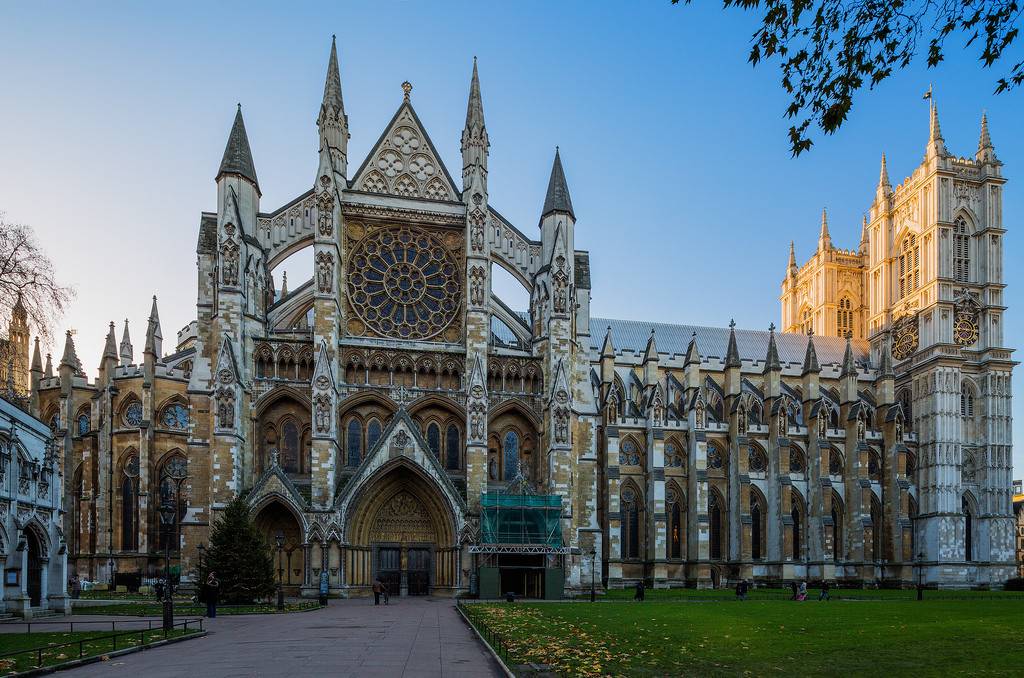
Westminster Abbey was built intermittently from 1245 to 1745, although the first mention of the Church on this site belong to VII-X centuries. The traditional place of coronation and burial of the monarchs of great Britain. Together with the nearby Palace of Westminster and the Church of St. Margaret, the Abbey was designated a world heritage site in 1987. The main building of the Church has the shape of a cross, or rather, is a Church with a transept 
The main entrance to the Church is a large Northern door, through which visitors enter the Northern transept. From there, turn left and find yourself in the Eastern part of the Church, deambulatorio where there are several chapels (or chapels), the largest of these is Notre-Dame chapel of Henry VII. Most of the southern transept is occupied by the poets ' Corner; there is also a large round rosette window, designed by sir James Thornhill, which depicts the eleven apostles. Construction of the modern non-Westminster Abbey lasted from 1376 to 1517, most of the work was carried out under the direction of architect Henry Yevel. Its design has been applied to the flying buttresses (exterior arches), which allowed to raise the roof of the nave to a height of 31 meters, the highest nave in England.
One of the most recognizable elements of the design of the nave — stained glass window in the Western window of William price, which was installed in 1735. It depicts Abraham, Isaac, James, and 14 prophets, with the coats of arms of king Sabert, Elizabeth I, George II, rector of Wilcox and the city of Westminster beneath them. Under the stained glass window (since 1920) is the tomb of the Unknown soldier, dedicated to those killed in the First world war, to her lay wreaths all the heads of state, making an official visit to the UK. In 1722-45 years was erected the West tower of the Abbey under the guidance of architect Nicholas Hawksmoor and according to the project Christopher Wren. In the XIX century the Abbey was restored by architect George Gilbert Scott. Westminster Abbey suffered greatly during the second world war, most severely during the bombing on the night of 10 to 11 may 1941, when the roof caught fire. After the war was restored.

среда, 7 ноября 2018 г.


Appendectomy is the surgical removal of the appendix when an infection has made it inflamed and swollen. This infection, called appendicitis, is considered an emergency because it can be life-threatening if it's not treated — the appendix occasionally bursts less than a day after symptoms start. So it's very important to have it removed as soon as possible.
Fortunately, appendectomy is a common procedure and complications are rare. And if appendicitis is promptly diagnosed and an appendectomy is performed, most kids recover quickly and with little difficulty.
Still, it helps to know some of the basics so you can feel confident about what is happening and support your child. The more prepared, calm, and reassuring you are about the anesthesia and surgery, the easier the experience will probably be for both of you.

About Appendicitis

Located in the abdomen, the appendix is a small organ that resembles a worm. One end of the appendix is closed and the other opens into the large intestine, the organ that absorbs water from waste (or stool) and moves it out of the body through the anus. Experts don't completely understand what the appendix does, but most agree that it's not important to a person's health.
appendicitis_revised2010.gif

Causes

Doctors aren’t always exactly sure what causes appendicitis. Because the appendix is so close to the large intestine, it can become clogged with stool and bacteria. Other times, mucus produced by the appendix can thicken and cause a blockage. In both cases, once the opening to the appendix is congested, it can become inflamed and swollen. Bacteria inside the appendix can multiply and cause appendicitis.

Signs and Symptoms

Appendicitis can cause sudden pain in the middle of the abdomen, usually concentrated around the bellybutton. The pain often moves to the lower right part of the abdomen. At first, the pain might come and go, but then it becomes persistent and sharp.
Appendicitis also can cause:
  • loss of appetite
  • fever
  • nausea
  • vomiting
  • diarrhea
  • sometimes painful or frequent urination
If the appendix bursts, a child can develop a fever as high as 104º Fahrenheit (40º Celsius), and pain will move throughout the abdominal area.

вторник, 6 ноября 2018 г.

Nearly 28 percent of the country's population cosists of elderly people. And if you want it or not you have to have contacts with them.
To be honest I don't have a lot of contacts with elderly people. I don't really like to talk to elderly people as usually they are old-fashioned, especally in our town or country - they can't agree with something new and will judge you for the choice that's not the same with the others. Mostly elderly people can't admit their mistakes or that they are not right. It makes me very angry as I'm stubborn but I know that I can be wrong and they are not. Also they likely to take their age as the case of their right but not the age makes people wise or skilled.
I also don't have a lot of contacts with elderly people as I don't meet a lot of them. I don't have grandfathers and I have only one grandmother but she's ill and I haven't seen her for months. My mother socialises with our neighbours and they often visit our house. I sure they hate me, as I don't like to agree with somebody only because they're older than me. I'm sure they hate it when I arguing with them.
The other thing elderly people make is treat  younger people like they are children. When somebody older than me tells me that I "will understand it when I grow up" I want to turn round and go away. It's not how it works! Younger people understand a lot of thing too! For example, I had blue hair and all the elder people told me that I would regret about it in future, but I don't understand why do I have to regret about it? I wanted it and I did it. It has been almost 4 years and I still paint my hair in other beautiful colours. Especially it sounds weird from the people who made such thing when they were young and they don't really regret about it now.
Are elderly peole treated well in my country? No, they are not. I can take as the example their benefit. How I know it is   less than poverty line. How do they have to live with such a small benefit? They have been working for 40 or 50 years and they are given only 10 thousand rubles. Now our goverment issue the law about pensionable age. Only people after their 65 years can be given their benefit. But our average longevity is nearly 70 years. It means that when you have been working for 40 years to be given the benefit for only 5 years. I think it is unfair.
The country must take care of their old people. Every person sooner or later will become an old man (only if he or she doesn't die earlier) and it will be unpleasant to be treated like that.

вторник, 23 октября 2018 г.


Teaching is a very good job but not in our country as your wages will be small enough to make you work much more. In our country the children is not respectful to their teachers but the teachers also is not kind or justice to their pupils.
To be honest I don't want to be a teacher while this job is such an unthankful job. I would like to be a teacher as I'm interested in psychics, phyhology and just people's behavior. It's very intesting how you can influence at someone's life.
Teaching is hard and it must be paid well but our goverment doesn't notice such things or just doesnt want to.
I've never had this kind of teacher when you look at him or her and think that that's the person you want to be alike. But maybe it only helps me to realize what kind of teacher i wouldn't like to be and what kind I want to, what I would have to do not to make pupils feel what I felt at school.
But you know without being a teacher I already fall asleep at 5 with my table full of books and copybook with my homework half-finished. And I can't give myself a rest because my teacher wouldn't like it. Like one of the gabbers wrote he cries in his car every day and he is not even a teacher.
The teaching is a good profession but circumstances make this job very bad.

вторник, 16 октября 2018 г.

Translator (professional translator) - a person who is regularly engaged in professional translation activities and ensures the quality of translation, corresponding to the level of modern requirements for translation.
Translation is a special type of professional communicative activity, implying a high level of proficiency in both the language from which it is being translated and the language into which it is being translated, as well as the obligatory presence of the translator of professional translation skills corresponding to the type or genre of the translation being performed.
The translating profession has long been recognized as one of the most prestigious and sought after. The first translators appeared in ancient Egypt and in those days were already included in the number of its honorary inhabitants. In ancient Russia, interpreter monks were considered very educated people, and Napoleon Bonaparte said that a soldier who speaks two languages ​​costs two.
The development of the profession
The profession of translator develops in parallel with the world. There were new types of services that were not there before, or were, but not widely spread (for example, website translations, documents, drawings, technical translation, typing, translations into rare languages, etc.). In this regard, the inevitable growth of requirements for translators. So, today a professional translator, this is not just a person who provides professional text translation, and who knows the language of another country, this is a specialist with skills from such related fields as: - Linguistics. The language is alive, it is constantly growing and changing, words appear and die, and you need to be aware of all such changes.

Ideally, to become a good translator, a person from childhood should be able to, freely moving from one culture to another. In Russia, the XIX century interpenetration of cultures was commonplace. Children in noble families were brought up by foreign teachers, so for the golden youth it was not particularly difficult to feel the mood of the new-fashioned French novel in all the nuances. But to understand and feel a foreign text does not mean to be able to translate it into a native language with a talent.

Modern business is impossible without contacts with foreign partners, and business negotiations without translators. Joint projects with foreign companies, the import of equipment and new technologies required the translation of millions of pages of text. The number of organizations that need versions of their websites in English has dramatically increased.

What professional skills should a modern translator have?


Universal translators capable of performing all types of translation on a professional level practically do not exist. Nevertheless, in today's market conditions, it is translators who are in demand, who can, with acceptable quality and quickly enough, perform any kind of technical or business translation, regardless of the subject matter and direction of translation (from foreign to native or from native to foreign language), as well as ensure consistent or simultaneous translation of a seminar or conference. Depending on what types of translation a particular translator does and what it prefers not to undertake, the set of professional and personal qualities that a modern translator should ideally possess in order to work successfully in its segment of the translation market changes.
At the same time, in all types and genres of translation, regardless of personal qualities, the professional ability of a translator is determined primarily by the presence of the necessary professional translation skills acquired during his studies at the university and then tested and consolidated during practical translation activities.
The most common languages:
• 1. English
• 2. French
• 3. Spanish
• 4. German
• 5. Chinese
вторник, 2 октября 2018 г.

Nadezhda Konstantinovna Krupskaya


    Even before the revolution, Krupskaya became interested in the education system abroad. In emigration, she studied the state of public education in European countries, attended schools, and got acquainted with the works of famous teachers. In the pre-revolutionary period, Nadezhda Konstantinovna published a number of articles in Russian pedagogical journals (“Should boys be trained in the“ Indian woman’s business? ”,“ On the issue of a free school ”,“ Suicide among students and a free labor school ”), in which divorced from life, the formalism of teaching, the spiritual emptiness of youth. Speaking in the press on issues of education and upbringing, Krupskaya criticized the estate-class essence of the contemporary Russian school, the bourgeois-landlord ideological orientation of upbringing and outlined the paths for the development of a new school, which should be created after the victory of the proletarian revolution. 
In 1915, Krupskaya wrote the paper “Public Education and Democracy”, where she gave a Marxist interpretation of the problems of education and upbringing of the younger generation, revealed the origins of the labor school. It was the first Marxist book in which the history of ideas of labor education was considered. In the post-October period, Krupskaya actively participated in the construction of a new type of school. 
In the 20-ies. XX century. she became one of the leaders and creators of the new education system, a member of the college and the main theoretician of the People's Commissariat of Education, one of the developers of the basic documents of the Soviet school. With her active participation numerous pedagogical congresses, conferences, meetings were held. Krupskaya headed the scientific and pedagogical section of the State Academic Council (1921-1932), edited pedagogical journals, and lectured. 

She formulated the main task of the Soviet enlightenment: "The school should not only teach, it should be the center of communist education." The teacher always adhered to the Marxist position, defended the communist ideology as “the only correct one” in school, put the class interests above the common humanity. Krupskaya stood at the origins of the pioneer movement in the USSR, was one of his theorists and organizers. She developed the theses on the pioneer movement, more than once made reports on the pioneer organization at party meetings. 
With her direct participation in the years 1924-1932. The party’s main documents on the children's communist movement were developed. Krupskaya knew the interests and concerns of the pioneers well, and was responsive to their needs. Frequent meetings and conversations, extensive correspondence - this constant contact with children helped her guide their activities. She made a major contribution to the development of issues of family education, labor education and polytechnic education.

четверг, 27 сентября 2018 г.

An ideal teacher.
Everyone thinks that ideal teacher can be called that way only if he or her teaches children a lot. Maybe it's truth, but as for me a teacher is good when he or her is not the person who only teaches you something and you have to respect him or her. But it also a person who can be a friend for you, who can help you if it needs, who won't judge you for every little mistake you've done. 
My ideal teacher will help you to get rid of them but not judging. Respect or trust can't be based without friendship. And I don't say you should go to the party with your teacher it will be too much.A teacher have to know theirselves that the best way to get children's respect is to respect them too. 
An ideal teacher won't make you learn something by shouting he or her milk make you be interested in this.I think these realationships will make everything easier as for children so as for teachers. Both will be happy understandable and respectful.

среда, 19 сентября 2018 г.

3. How to direct a child`s energy into the right.
Almost all children are very energetic. They can`t stay still for a long time that`s why they need to have a rest before some work.
Some people doesn't understand why children don't want to do the work. It's like when they grew up they forgot about how it feels to be a child. Everything we need to do to make children listen or do something is to respect their own time and space. If you don't want to listen to them they wouldn't listen to you too. It works not only with children, everybody wants to be listened to. 
Also you have to make them be interested in what you want them to do. If they aren`t interested in it they likely wouldn't do it. But it's very difficult to make them be interested in something. 
If you scream or shout at them probably they would do want you ask but also they would hate you. And they would do everything to make you angry or sad. You'd better be a friend to a child - they will respect you and listen to you.
Also you don't have to lisp with them, you have to talk to them like grow-up. 
If you know how to treat with a children they would be good for you. It would be easy for you to talk to them. If you act with them like they are only children and you better than them, they wouldn't be so nice. It depends only on you.

пятница, 14 сентября 2018 г.

Russia, Republic of Dagestan,
Makhachkala,
Profsouznaya street.
          Dear Salima,
          Thank you for your letter. It seems like we haven`t talked for ages. I`m so glad that you got that job. By the way, I`m working at this sphere too.
          My first day being teacher wasn`t so good. The heaedmistress is very weird person. I don`t know how people in this school have tought these pupils, but they don`t listening to me at all! I need to shout them down to make the class calm. We wasn`t told about it at college.
          And what about you? Was your first day as bad as mine? Or did you do everything right?
          I hope you will answer me soon. I really like our correspondence.
          Love,
          Karina.