 Fortunately, appendectomy is a common procedure and complications are rare. And if appendicitis is promptly diagnosed and an appendectomy is performed, most kids recover quickly and with little difficulty.
Still, it helps to know some of the basics so you can feel confident about what is happening and support your child. The more prepared, calm, and reassuring you are about the anesthesia and surgery, the easier the experience will probably be for both of you.
About Appendicitis
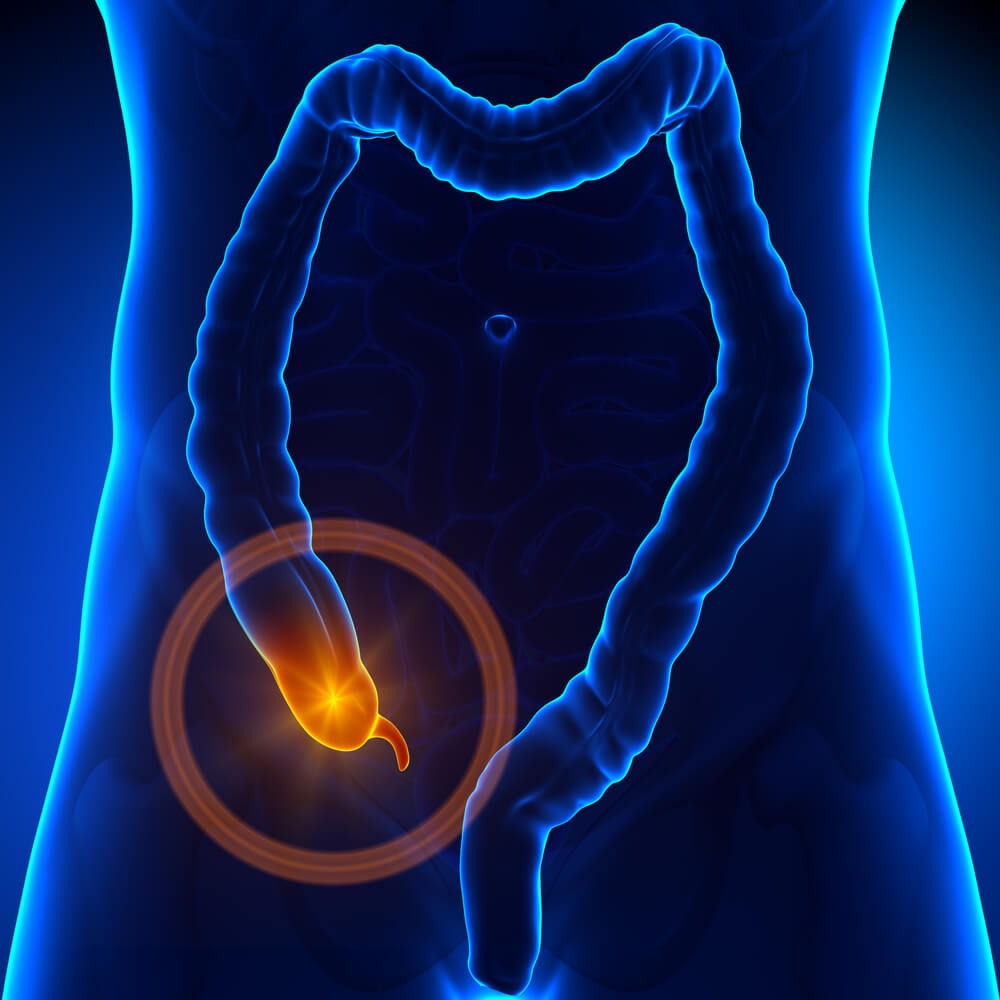
Located in the abdomen, the appendix is a small organ that resembles a worm. One end of the appendix is closed and the other opens into the large intestine, the organ that absorbs water from waste (or stool) and moves it out of the body through the anus. Experts don't completely understand what the appendix does, but most agree that it's not important to a person's health.

Causes
Doctors aren’t always exactly sure what causes appendicitis. Because the appendix is so close to the large intestine, it can become clogged with stool and bacteria. Other times, mucus produced by the appendix can thicken and cause a blockage. In both cases, once the opening to the appendix is congested, it can become inflamed and swollen. Bacteria inside the appendix can multiply and cause appendicitis.
Signs and Symptoms
Appendicitis can cause sudden pain in the middle of the abdomen, usually concentrated around the bellybutton. The pain often moves to the lower right part of the abdomen. At first, the pain might come and go, but then it becomes persistent and sharp.
Appendicitis also can cause:
- loss of appetite
- fever
- nausea
- vomiting
- diarrhea
- sometimes painful or frequent urination
If the appendix bursts, a child can develop a fever as high as 104º Fahrenheit (40º Celsius), and pain will move throughout the abdominal area.


Комментариев нет:
Отправить комментарий